Why Your Pan-Seared Fish Always Sticks — and the 3 Things That Actually Fix It
Quick Answer: Fish sticks mainly because it’s added to a pan that isn’t hot enough or moved before a natural release forms. Pat the fillet fully dry, heat oil until it shimmers, and don’t touch the fish for the first 3-4 minutes — it releases itself when ready.
You’ve bought the nonstick pan, you’ve used plenty of oil, and the fish skin still shreds into the pan the second you try to flip it. The fix has almost nothing to do with your cookware and everything to do with three small, ignorable details.

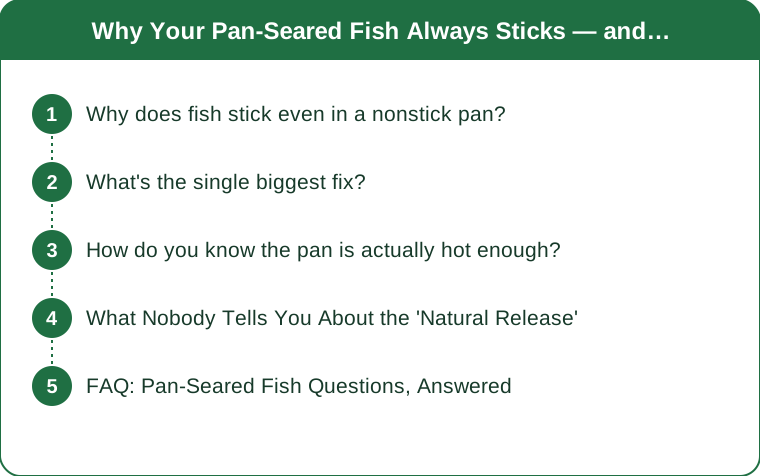
Why does fish stick even in a nonstick pan?
Proteins in fish skin bond to hot metal surfaces on contact — this happens in nonstick pans too, just less aggressively. The bond is strongest in the first few minutes of cooking and releases naturally on its own once a proper sear crust forms underneath.
Most sticking happens because the fish is flipped or moved during that bonding window, tearing the crust before it’s finished forming, rather than because of the pan itself.
What’s the single biggest fix?
Dry the fish completely before it touches the pan — really dry, with paper towels, pressing gently on both sides for a few seconds. Surface moisture is the top cause of sticking and splattering, because it creates steam between the fish and the hot oil instead of a clean sear.
This one step fixes more sticking than a pan swap ever will.

How do you know the pan is actually hot enough?
Add oil to a cold pan, then heat until it shimmers and moves like water when you tilt the pan — that’s your signal, not a timer. Fish added to oil that’s still thick and sluggish-looking will stick almost every time, regardless of pan type.
Once it shimmers, lay the fish away from you (to avoid splatter) skin-side down first, and leave it completely alone.
What Nobody Tells You About the ‘Natural Release’
Here’s the part that saves the most fish: you don’t have to guess when to flip. Gently nudge the fillet with a thin fish spatula after about 3 minutes. If it resists and skin looks like it’s tearing, it’s not ready — leave it another 30-60 seconds and try again.
When the crust is fully formed, the fish will release from the pan with almost no resistance. Fighting a fillet that won’t move freely is the #1 sign of flipping too early, not a sign of a bad pan.
FAQ: Pan-Seared Fish Questions, Answered
Does the type of oil matter for sticking?
Somewhat — use an oil with a high smoke point (avocado, refined olive, canola) so it can get hot enough without burning before the fish goes in. Low smoke-point oils burn before reaching sear temperature.
Should I season the fish before or after drying it?
After drying, right before it goes in the pan. Salting too early draws moisture back to the surface, undoing the drying step.
Is it normal for skinless fillets to stick more than skin-on?
Yes — skin acts as a natural barrier and actually releases more cleanly than bare flesh. If you’re using skinless fillets, be even more patient about the natural release timing.
TL;DR:
- Sticking mostly happens from moving the fish too early, not a bad pan
- Pat the fillet completely dry — this fixes more than any pan swap
- Wait for oil to shimmer before adding fish, not just a rough time guess
- Let the fish release itself; resistance when nudged means it’s not ready yet
Next time, set a mental rule: hands off for the first 3 minutes. That patience is the real nonstick trick.
Keep Reading
This article is for general informational purposes only and is not medical advice. Always consult a qualified health professional for guidance specific to you.