Why Frozen Fish Is Often Fresher Than the 'Fresh' Fillet at the Counter
Quick Answer: Most fish labeled ‘fresh’ at a counter was frozen at sea, then thawed for display — buying it still frozen skips days of unrefrigerated transit time and often means better quality, not worse.
You pay extra for the ‘fresh’ fillet over the frozen bag right next to it, assuming fresh always means better. The timeline tells a different story.

What does ‘fresh’ actually mean at most fish counters?
Most commercial fish is flash-frozen on the boat within hours of catch to preserve quality, since most fishing trips last days to weeks before reaching shore. What’s sold as ‘fresh’ at many counters is frozen fish that’s been thawed for display — it hasn’t been in a continuously fresh, never-frozen state the label implies.
This isn’t true for every fish counter (some do sell genuinely never-frozen local catch), but for most fish that traveled any real distance, flash-freezing at peak freshness is the industry norm, not an exception.
Why does flash-freezing preserve quality better than the display-case timeline?
Flash-freezing happens within hours of catch, locking in quality at its peak. The alternative ‘fresh’ path — catch, transport, distribution, thaw for display, sit in a case for days — introduces more time for quality to degrade before it ever reaches your kitchen.
Once you understand this timeline, buying frozen and thawing it yourself right before cooking often means eating fish closer to its actual peak freshness than the thawed ‘fresh’ option ever was.
The Frozen Shrimp Thaw Mistake That Ruins Texture
The most common way people sabotage frozen seafood isn’t the freezing — it’s thawing it at room temperature or under hot water, which cooks the outer layer unevenly before you even start cooking. This creates the rubbery, mushy texture people associate with frozen seafood being inferior, when it’s actually a thawing mistake.
Thaw frozen fish and shrimp overnight in the refrigerator, or under cold running water for a quicker option — never at room temperature or with warm water.
The Smell Test Is Backwards
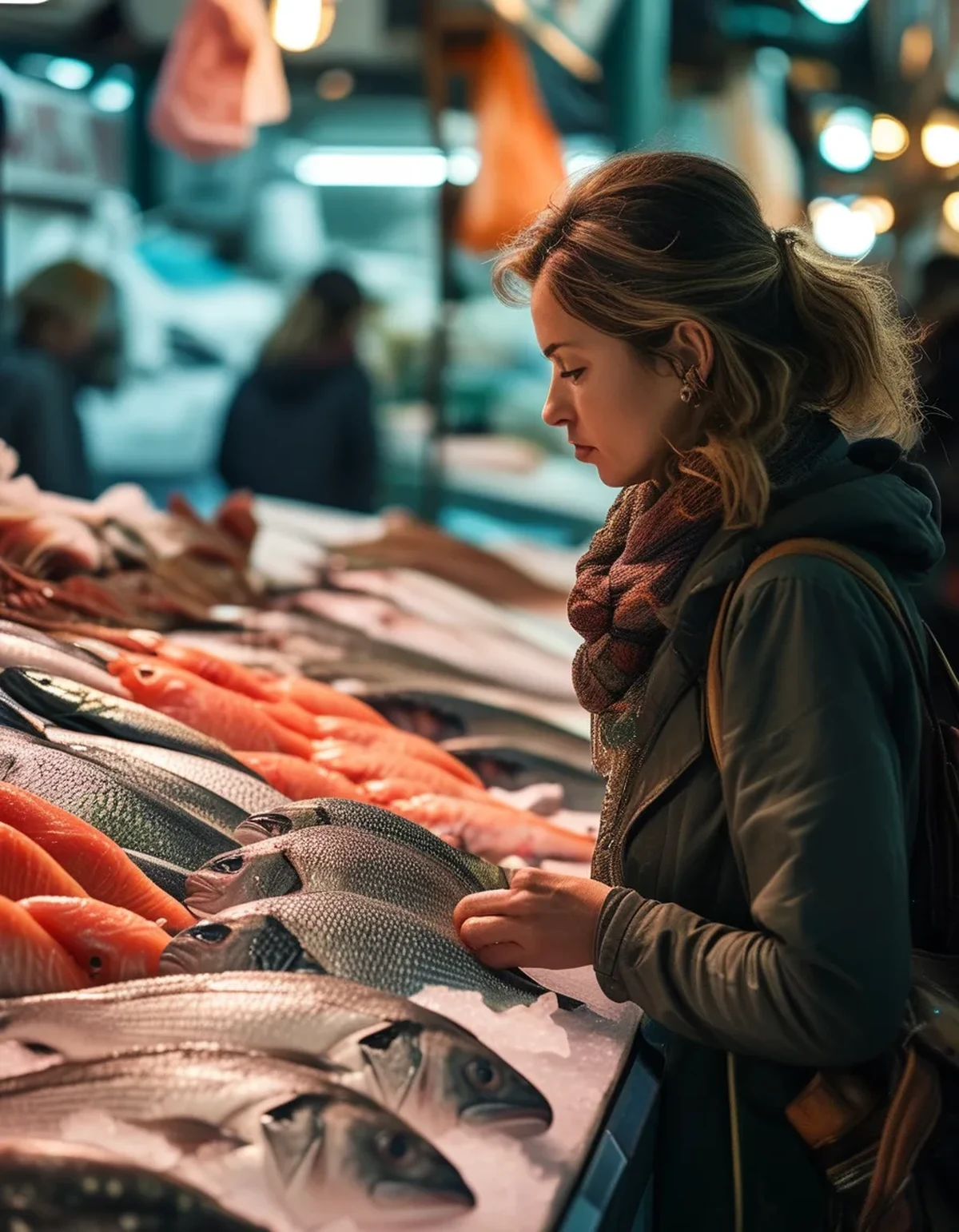
Many people trust smell as the main freshness indicator, but fresh, high-quality fish should smell like clean ocean water, not ‘fishy’ — a strong fishy smell is actually a sign of degradation, not normal freshness. This applies to both fresh and thawed frozen fish equally; the smell test works the same way for both.
Look, texture (firm, not mushy or separating), and smell together are more reliable than assuming ‘fresh’ labeling alone guarantees quality.
When is genuinely fresh, never-frozen fish worth the premium?
If you’re near the coast and buying from a boat or dock market the same day it was caught, that genuinely never-frozen fish can be excellent and worth seeking out. The key distinction is the actual timeline, not the fresh-versus-frozen label — a same-day dock catch beats both a thawed counter fillet and frozen fish; a several-days-old ‘fresh’ fillet does not beat properly flash-frozen fish.
Ask your fishmonger directly when the fish was caught and whether it was ever frozen — a good fishmonger will tell you honestly, and the answer matters more than the fresh/frozen label on its own.
FAQ: Fresh vs Frozen Fish Questions, Answered
Is frozen fish less nutritious than fresh fish?
No — flash-freezing preserves nutrients effectively, and there’s minimal nutritional difference between properly frozen and truly fresh fish.
How can I tell if ‘fresh’ fish at the counter was previously frozen?
Ask the fishmonger directly, or look for slightly softer texture and any ice crystals in the packaging, which suggest recent thawing.
What’s the best way to thaw frozen fish?
Overnight in the refrigerator is best for texture; cold running water works for a faster option, but avoid room temperature or warm water thawing.
TL;DR:
- Most ‘fresh’ counter fish was previously flash-frozen at sea
- Flash-freezing at peak catch often preserves quality better than the display-case timeline
- Thaw in the fridge or under cold water, never at room temperature
- Genuinely never-frozen fish is only better if it’s truly same-day dock-fresh
Next time you’re deciding between the fresh case and the frozen bag, ask when the ‘fresh’ fillet actually arrived — the answer might change your choice.
Keep Reading
This article is for general informational purposes only and is not medical advice. Always consult a qualified health professional for guidance specific to you.