Why Frozen Fish at the Grocery Store Is Often Fresher Than the Fish at the Fresh Counter
Frozen fish carries an assumption of being the lesser, more processed option compared to whatever sits on ice at the fresh counter, but the timeline behind flash-frozen fish often means it reaches the plate in better condition than fish that’s been sitting fresh for days.
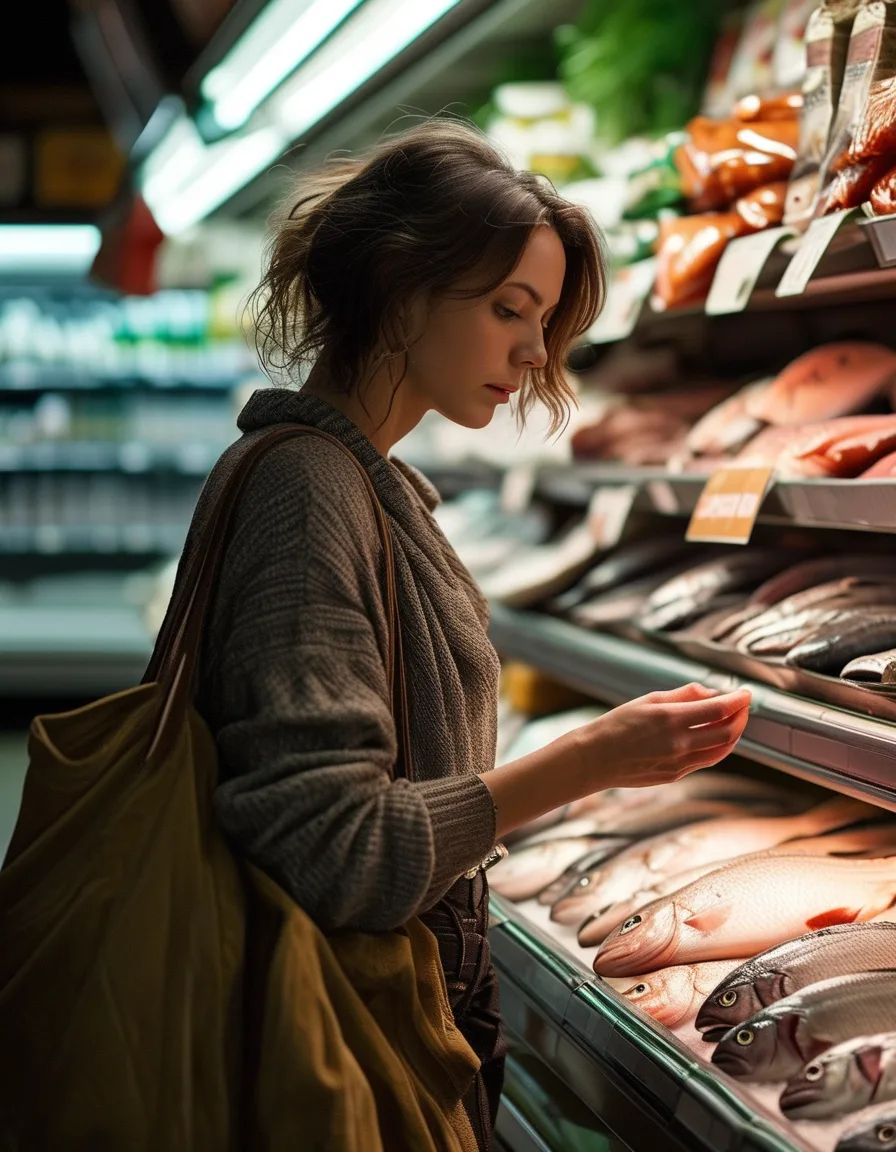
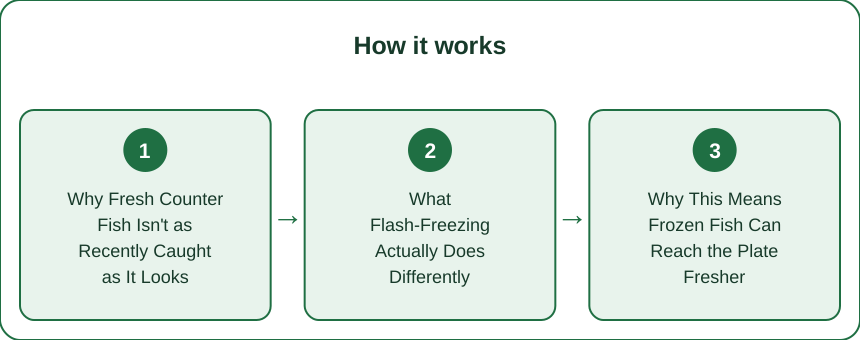
Why Fresh Counter Fish Isn’t as Recently Caught as It Looks
The hidden timeline: fish sold at a fresh counter typically having already spent several days in transit and storage between being caught and reaching the display case, time during which quality gradually declines even while sitting on ice.
What Flash-Freezing Actually Does Differently
The advantage: commercial flash-freezing happening within hours of the catch, often directly on the fishing vessel, which locks in freshness at a point far earlier in the timeline than fresh counter fish typically achieves.
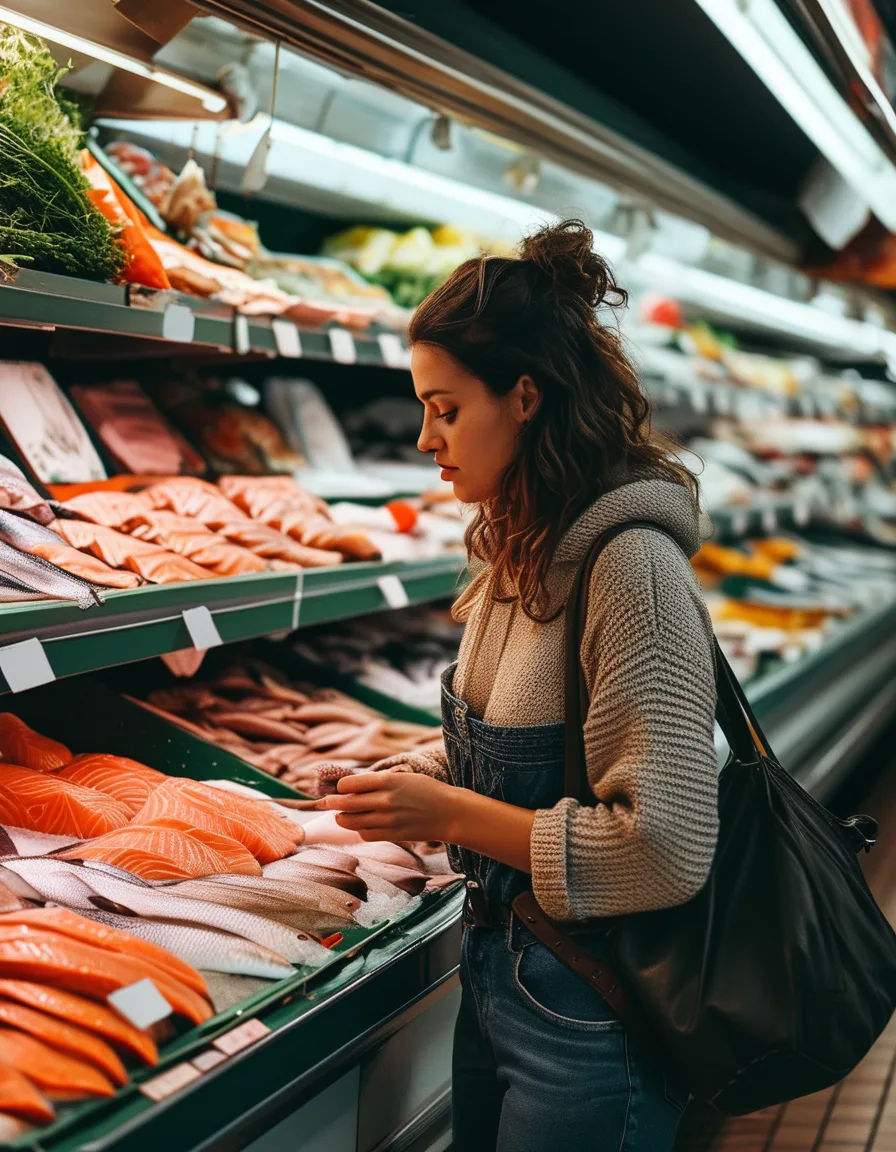
Why This Means Frozen Fish Can Reach the Plate Fresher
The result: fish frozen within hours of catch and then thawed at home for cooking often being closer to its original catch-day quality than fresh counter fish that took several additional days to reach the store.
How to Choose Between Them at the Store
The practical guideline: checking whether fresh counter fish has a specific catch date listed, and defaulting to flash-frozen when that information isn’t available or the fresh counter’s turnover seems slow, and the frame (flash-freezing locks in quality within hours of catch, often beating the days-long timeline of fresh counter fish — checking for a catch date is the way to actually compare the two rather than assuming fresh is always closer to the ocean.)
Frozen fish carries an assumption of being the lesser, more processed option compared to whatever sits on ice at the fresh counter, but fish sold at a fresh counter has typically already spent several days in transit and storage between being caught and reaching the display case, while commercial flash-freezing happens within hours of the catch, often directly on the fishing vessel, locking in freshness at a point far earlier in the timeline. Fish frozen within hours of catch and then thawed at home for cooking is often closer to its original catch-day quality than fresh counter fish that took several additional days to reach the store, so checking whether fresh counter fish has a specific catch date listed, and defaulting to flash-frozen when that information isn’t available, is the way to actually compare the two rather than assuming fresh always means closer to the ocean.
Keep Reading
This article is for general informational purposes only and is not medical advice. Always consult a qualified health professional for guidance specific to you.