The Canned Fish Renaissance: The Tinned Seafood Guide From Pantry Staple to Dinner Party
Tinned fish went from emergency shelf to dinner-party darling for good reason — the omega-3s at pantry prices, the zero-cooking convenience, the surprisingly deep quality game. The tinned seafood guide: the nutrition case, the buying craft and the repertoire.

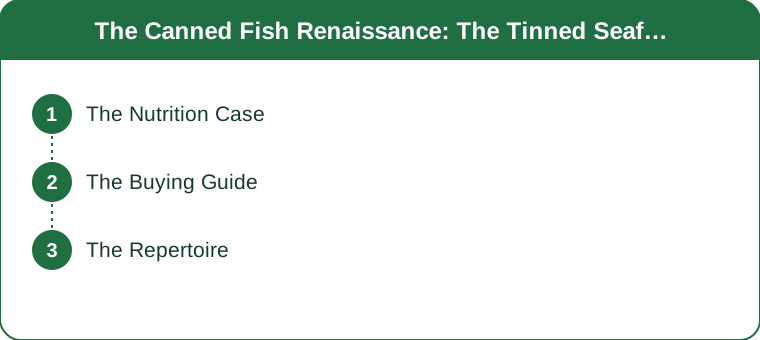
The Nutrition Case
Why tins earn shelf space: the omega-3 delivery (the sardines-mackerel-salmon tier carrying the fatty-fish benefits from the heart doctrine — the twice-weekly fish target met without a fishmonger; the canned counting fully per the evidence), the protein economics (the 20-plus grams per tin at pantry prices — the protein-per-dollar champion from the budget doctrine; the shelf-stable protein bank from the emergency-food doctrine), the bones bonus (the canned salmon-and-sardine soft bones being edible calcium — the bone-health contribution from the bone doctrine most eaters don’t know they’re getting), the mercury reassurance (the small-fish advantage — the sardines-anchovies-mackerel tier being low-mercury by biology; the canned light tuna’s moderate tier and the albacore moderation per the mercury guidance; the small-fish-often pattern being the safest seafood habit), and the sodium note (the salt awareness for the relevant per the sodium doctrine — the rinse option and the no-salt-added tiers).

The Buying Guide
Tin by tin: the sardine entry (the beginner-friendly in olive oil — the skinless-boneless tins for the texture-cautious; the whole-fish graduation; the quality tiers from grocery to Portuguese-boutique), the tuna craft (the oil-packed flavor versus the water-packed lean — the pole-and-line and troll-caught labels from the sustainability doctrine; the jarred ventresca tier for the converted), the salmon options (the canned wild pink-and-sockeye economy — the salad-and-cake workhorse), the mackerel dark horse (the richest omega profile at the lowest price — the smoked tiers; the underrated star of the shelf), the anchovy toolkit (the umami weapon more than the snack — the melt-into-sauces magic from the flavor doctrine; the fillet-versus-paste formats), the specialty shelf (the smoked mussels-and-oysters, the octopus-and-squid tins — the tapas tier; the gift-tin culture from the gift doctrine), and the label literacy (the catch-method and origin reading — the olive-oil-packed preference; the BPA-lining note per the storage doctrine; the date codes being best-by, not danger lines).
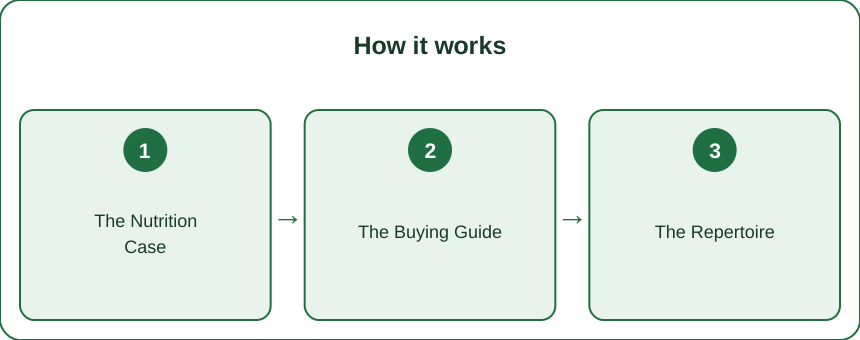
The Repertoire
From shelf to table: the five-minute meals (the sardines-on-toast with lemon and pepper — the tuna-white-bean salad from the Mediterranean doctrine; the salmon-avocado rice bowl; the anchovy-butter pasta being the pantry’s best dinner; the mackerel-and-grain lunch from the desk doctrine), the tinned-fish board (the party trick — the two-three tins opened on a board with crackers, pickles, lemon and good butter; the hosting flex from the hosting doctrine at pantry cost; the wine-pairing conversation piece), the cooking integrations (the salmon cakes and tuna melts — the anchovies dissolved into dressings, greens and tomato sauces; the fish sauce logic from the umami doctrine), the breakfast crossover (the smoked-fish-and-eggs tier from the protein-breakfast doctrine), the pantry-system placement (the tin-per-week habit meeting the fish target — the rotation through varieties per the variety doctrine; the emergency-shelf overlap from the preparedness doctrine), and the closing pitch (the tinned fish as the rare food that’s simultaneously cheap, healthy, sustainable-when-chosen-well and fashionable — the pantry’s quiet overachiever; the renaissance, joined at the cost of one good tin). Small fish often, olive-oil packed, a board for company: the tin, elevated.
Tinned fish delivers the fatty-fish targets at pantry prices — sardines and mackerel lead (low-mercury small fish, edible-bone calcium), anchovies are a sauce weapon, and a two-tin board with lemon and good butter is a legitimate party trick. One tin a week meets the heart guideline.
Keep Reading
This article is for general informational purposes only and is not medical advice. Always consult a qualified health professional for guidance specific to you.